
- INSTITUTE OF CONTINUING EDUCATION RESEARCH & TRAINING
Mail us on : icertranchi[at]rediffmail.com


Social Impact
ICERT has been conducting research and advocacy on various issues affecting the tribal and marginalized communities, such as land rights, forest rights, displacement, migration, human trafficking, violence, health, education, and livelihoods. ICERT has published several reports, policy briefs, case studies, and newsletters to disseminate its findings and recommendations to the relevant stakeholders.
ICERT has been providing continuing education and skill development opportunities to the tribal and marginalized youth, women, professionals and senior citizens, through various courses, workshops, trainings, and exposure visits.
ICERT has also established and facilitated community learning centres, vocational training centres, and computer literacy centres to imbibe and encourage the learning process and enhance the employability, career-growth and entrepreneurship of the target groups.
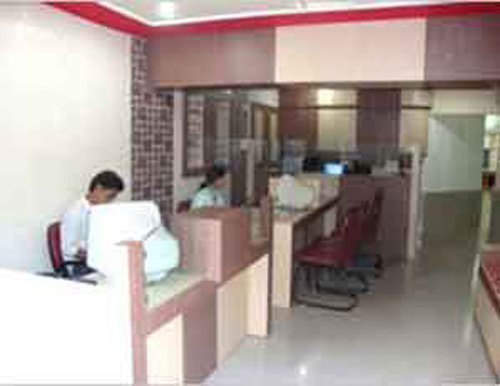
ICERT has been implementing various projects and programmes to improve the health and well- being of the tribal and marginalized communities, such as maternal and child health, reproductive health, HIV / AIDS, tuberculosis, malaria, water and sanitation, nutrition, and mental health.
ICERT has also been providing health care services through its mobile health units, health camps, and referral systems. ICERT has also been promoting health awareness and behaviour change through its community health workers, peer educators, and self-help groups.
ICERT has also been advocating for the implementation of the laws and policies related to child rights, such as the Juvenile Justice Act, the Protection of Children from Sexual Offences Act, and the Right to Education Act.
ICERT has been working to enhance the participation and leadership of the tribal and marginalized women in the social, economic, and political spheres. ICERT has been forming and strengthening women's self-help groups, federations, and cooperatives to enable them to access credit, savings, and income generation opportunities. ICERT has also been facilitating the formation and functioning of women's panchayats, mahila mandals, and mahila samitis to enable them to raise their voice and demand their rights and entitlements.
ICERT has been working to improve the access and quality of education for the tribal and marginalized children, especially those who are out of school, dropouts, or irregular. ICERT has been running alternative education centers, bridge courses, remedial classes, to provide basic literacy, numeracy, and life skills to the children. ICERT has also been supporting the mainstreaming and retention of the children in the formal education system, through enrolment drives, scholarships, uniforms, books. ICERT has also been enhancing the capacity and accountability of the urban teachers, parents, and school management committees to ensure the effective delivery of education.
ICERT has been making a positive difference in the lives of thousands of tribal and marginalized people in Jharkhand, through its innovative and holistic interventions. ICERT is constantly striving to improve its performance and impact, by adopting new technologies, methodologies, and best practices. ICERT is also open to new partnerships and collaborations, to expand its reach and scope, and to achieve its mission and vision.
ICERT works to improve the health and well-being of the tribal communities in the rural areas of Jharkhand. ICERT operates two Tribal Welfare Rural Hospitals in the districts of Latehar and Simdega, providing free and access-to-all essential health care services to the marginalized and vulnerable population.
COVID Fever Clinics and COVID Care Hospitals
In response to the COVID-19 Pandemic, Tribal Welfare Rural Hospital, Bano Gumla, and Tribal Welfare Rural Hospital, Mananchotang initiated Covid Fever Clinics on April 1, 2021, which continued until March 31, 2022. These clinics played a pivotal role in providing healthcare services and support to the local communities.
Additionally, the TWRH Bano also commenced its Indoor Patient Services with its 40 Bedded Covid Care Hospital.
Under the Special Orders issued by the Principal Secretary of the Department of Scheduled Tribe, Scheduled Caste, Minority, and Backward Class Welfare, these clinics and Hospital focused on several critical aspects. First and foremost, they were instrumental in the identification of Covid patients, offering immediate referrals to Sadar Hospital, thereby ensuring timely medical attention.
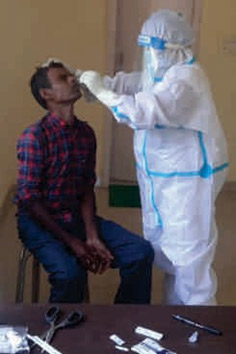
Moreover, both hospitals took a proactive stance by distributing special medicine kits provided by the District Administration. The comprehensive approach extended to counselling patients and their families, emphasizing the importance of adherence to prescribed medical regimens.
Additionally, these clinics played an essential role in community engagement. Information, Education, and Communication materials, as provided by the District Administration, were distributed to raise awareness about COVID-19 prevention, ensuring that nearby communities were well-informed about the virus.
For an entire year, these Covid Fever Clinics and Covid Care Hospital served as vital pillars of healthcare support, effectively addressing the healthcare needs of the local population, and contributing significantly to the fight against the pandemic. Their commitment to community welfare underscores the essential role they play in times of crisis.
Area of Operation
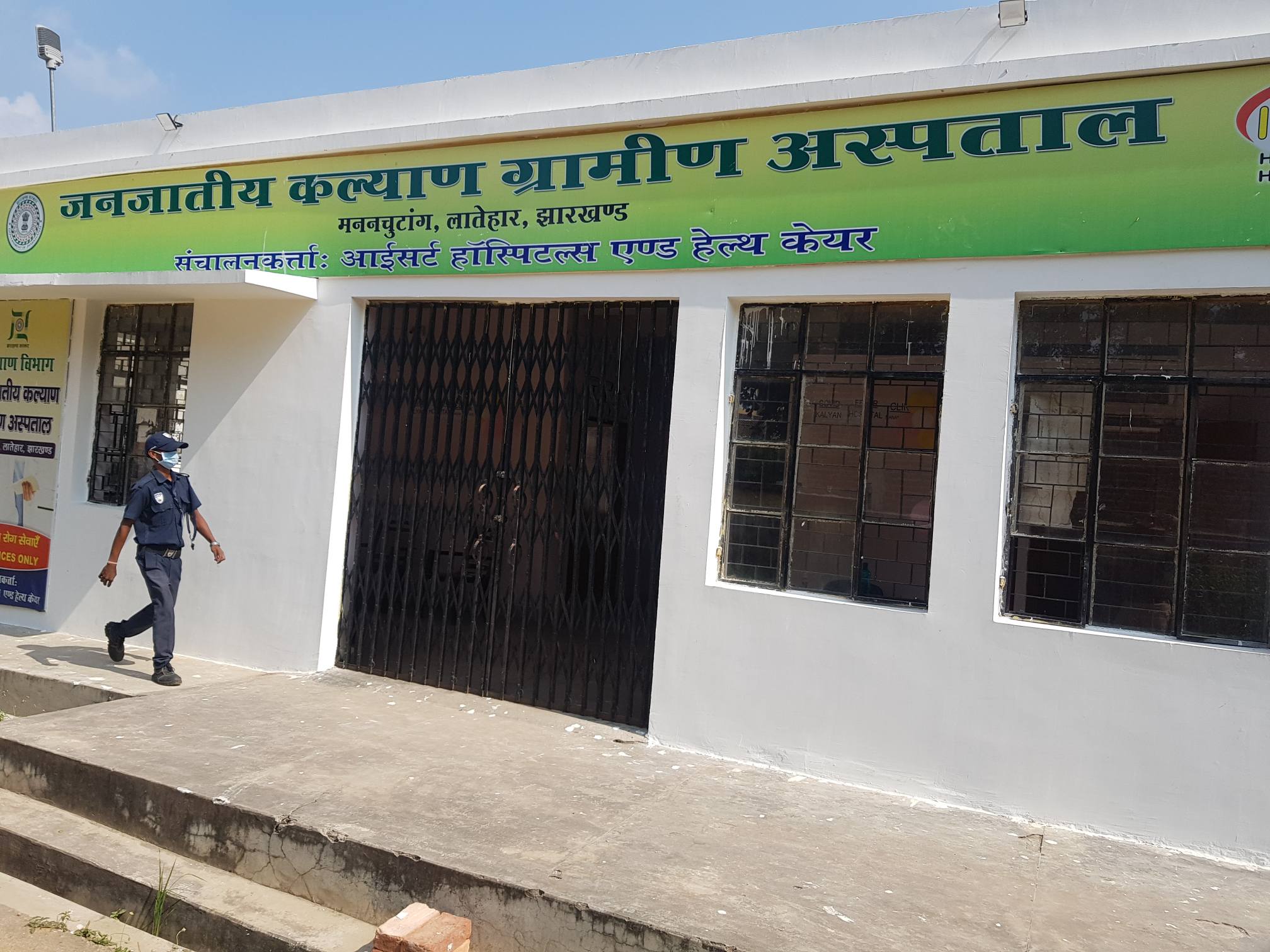
TWRH Latehar
Tribal Welfare Rural Hospitals
The Tribal Welfare Rural hospital is located at Mananchutang, Latehar offers ...
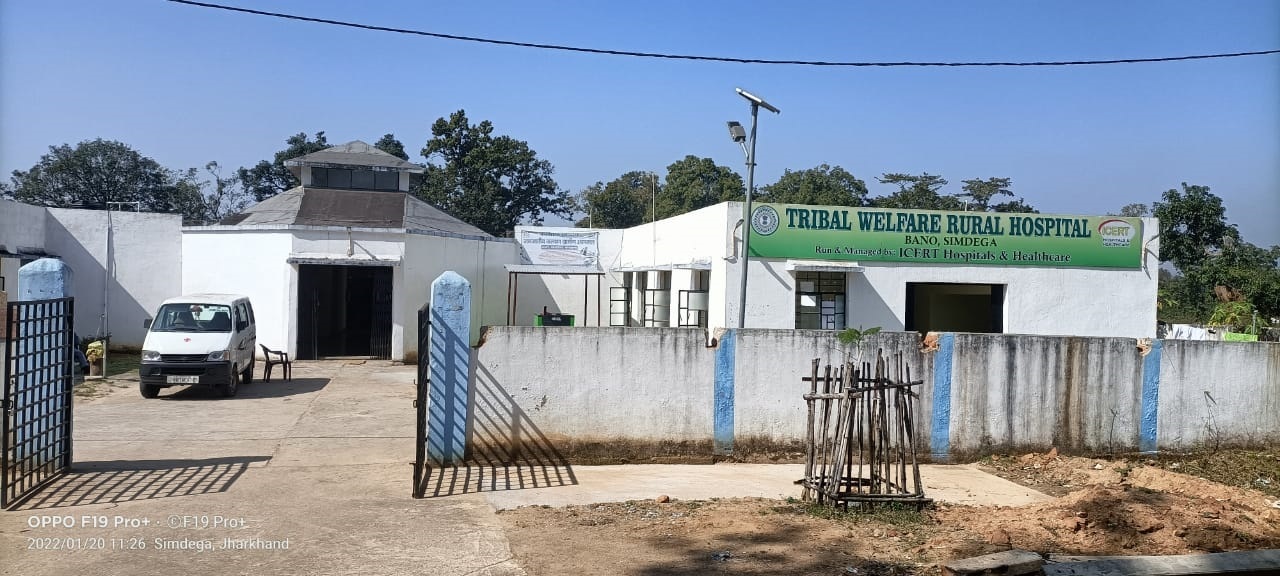
TWRH Simdega
Tribal Welfare Rural Hospitals
Over the past five years, Tribal Rural Hospital in Bano, Simdega, has conducted...

ETP & IDP with MSME–DI
Partnerships for providing full-time training
ICERT partners with the Micro, Small & Medium Enterprises...
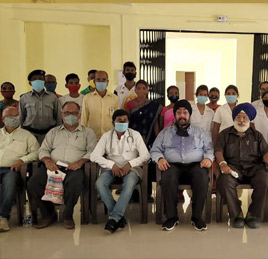
Personality Development
Education, Research & Training
ICERT has, so far, supported thousands of children...
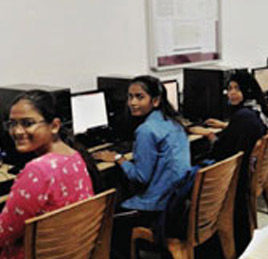
Vocational Skills
Vocational and Skill-Development Programs
ICERT’s Centre for Vocational Excellence conducts several Vocational ...
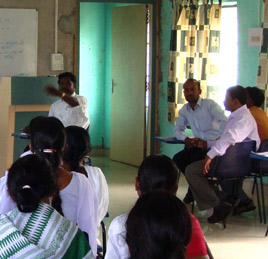
Health-Based Vocational Training
for Rural Youths
ICERT has developed and introduced the following Six Health-Based Vocational ...
